In Conversation: Making Responsible Sourcing Work in Indonesia
-

-
The Circulate Initiative
-
August 10, 2026
-
6 min read
The Circulate Initiative
August 10, 2026
6 min read

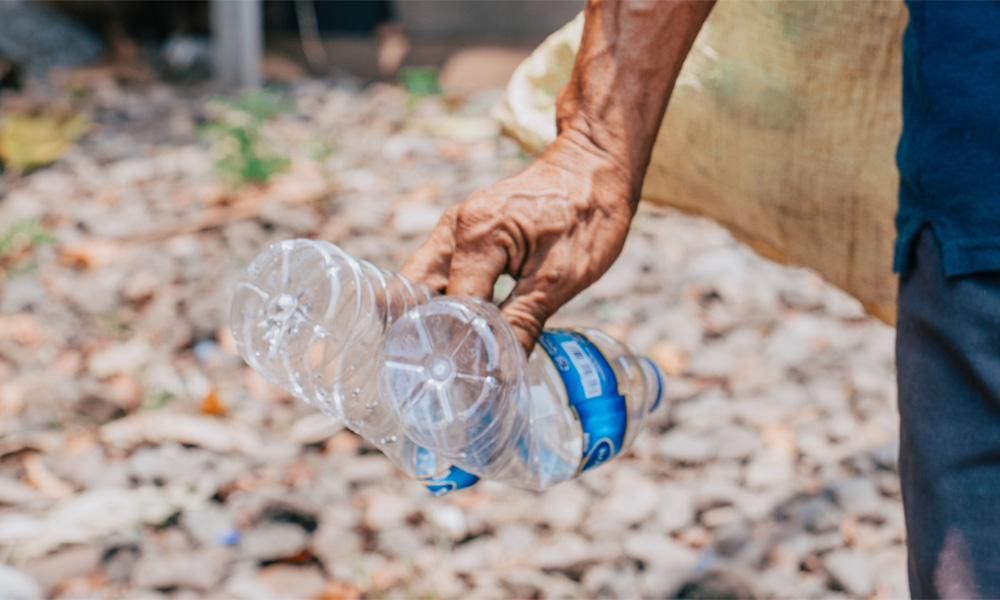
This article is the first installment of In Conversation, a series of interviews with the people leading our Responsible Sourcing Initiative projects on the ground.
Indonesia’s recycling system relies heavily on the informal sector. Although the country generates millions of tonnes of plastic waste each year, only a small portion is recycled, and much of the material that is recovered is collected by an estimated 3.7 million informal waste sector workers.1 Despite the critical role they play in keeping valuable materials in circulation, many continue to work without adequate occupational protection, stable incomes, access to healthcare, or social protection.
In 2024, the Responsible Sourcing Initiative launched its implementation project in Indonesia to help protect the rights of informal waste sector workers and increase responsibly sourced materials in Amandina Bumi Nusantara’s recycling value chain.
To learn more about the project’s progress and early lessons, we spoke with Ardhina Zaiza, Chairwoman of Mahija Parahita Nusantara Foundation, the organization leading the project implementation, and Khunapong Khunaraksa, Responsible Sourcing Initiative Lead for Indonesia.
Tell us about some of the findings from the baseline assessment for this project.
Ardhina: We conducted the baseline assessment in 2024 within the supply chain of our recycling partner, Amandina Bumi Nusantara, across Tier 2 to Tier 4 collection networks, including large aggregators, small aggregators, and informal waste sector workers,2 in the Jakarta Metropolitan Area and Subang, West Java.
We found limited access to occupational training and low awareness of social protections and the benefits of worker organizations or collective representation. Many informal waste sector workers and waste pickers, the most vulnerable value chain actors, lacked access to healthcare and social protection because they did not have essential documentation, such as national identity cards, or enrollment in government-backed health insurance (commonly referred to as Jaminan Kesehatan Nasional or JKN).
Overall, the assessment highlighted significant gaps in responsible sourcing practices across the value chain, making it difficult for informal waste sector workers and waste pickers to advocate for safer working conditions, access available support, and improve their livelihoods.
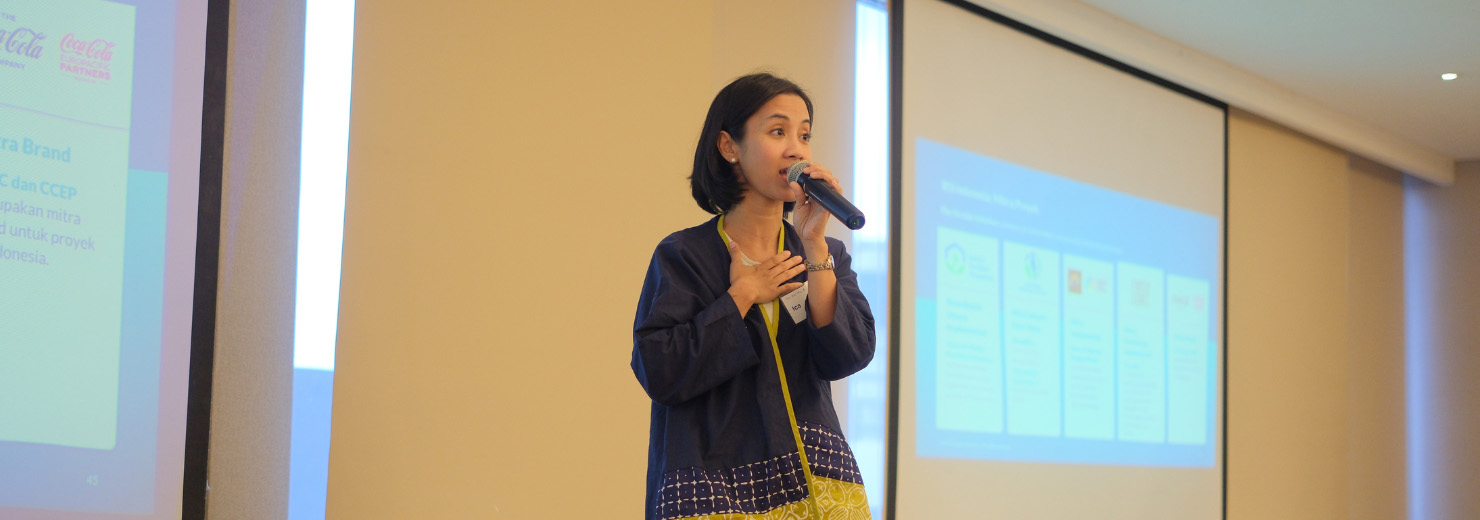
Ardhina Zaiza at the Responsible Sourcing Initiative Indonesia workshop
What remediation and mitigation solutions were identified in response to these findings?
Ardhina: Based on the baseline assessment, we focused on addressing the most salient issues for the informal waste sector workers and waste pickers.
We are enabling worker protection and inclusion by facilitating access to national identity registration and health insurance, and occupational health and safety training.
Additionally, we are strengthening worker engagement and representation by supporting community coordination groups (paguyuban), providing financial literacy training, and facilitating waste bank networks that enable workers to raise concerns and build stronger local support systems.
Finally, we are working with businesses to establish responsible sourcing systems and processes while expanding capacity-building opportunities for actors across the recycling value chain. This helps businesses strengthen their responsible sourcing practices while creating more inclusive and resilient supply chains.
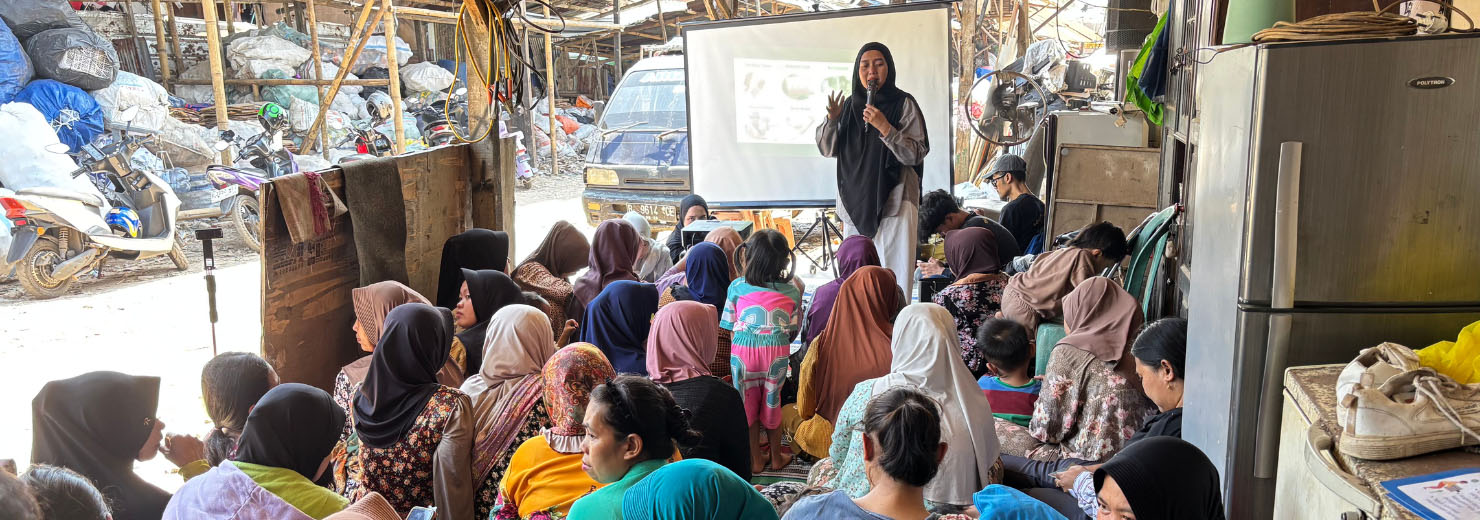
Health and safety capacity building for workers at a small aggregator
How would you describe progress to date?
Ardhina: The project has delivered a range of capacity-building initiatives and supported access to national ID registration, health insurance, worker groups, and pilot waste bank initiatives. To date, more than 5,000 informal waste sector workers have participated in training and capacity-building activities.
One of our key learnings is that responsible sourcing efforts must be adapted to local realities and existing community structures to build trust and participation. In Indonesia, for example, establishing a paguyuban is an effective way to organize informal workers through local networks. We also learned that sustainable impact requires time, consistency, and relationship-based engagement with communities.
We’ve also seen how important collaboration is. Addressing challenges such as social protection and worker recognition requires coordinated action across governments, civil society organizations, brands, and recyclers. Long-term progress will depend not only on investment in infrastructure, but also on sustained support for meaningful engagement across the value chain.
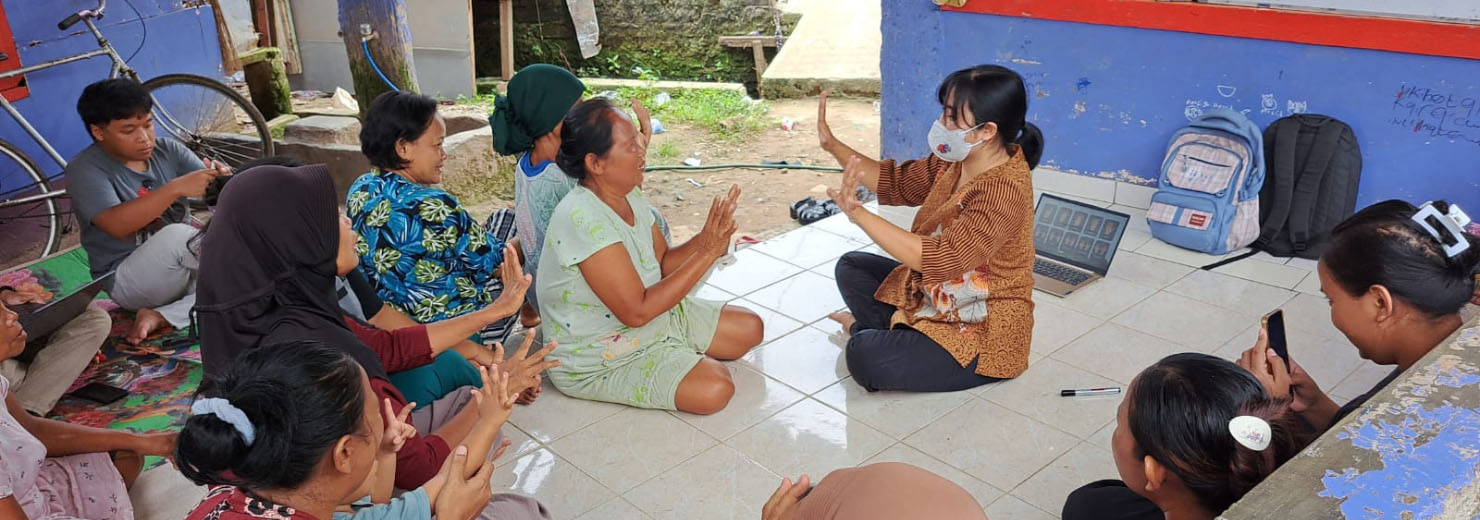
Informal waste pickers learning how to count at a paguyuban
What is one highlight from this project that has stayed with you?
Khunapong: In February 2026, I spoke with Ibu Pasaribu, a waste picker and mother of three who also represents her community on the Project Advisory Committee.
Before the project, she did not have an ID card. As a result, her children were unable to obtain birth certificates, making it difficult for them to enroll in school.
She shared how the project helped her obtain an ID card by raising her awareness of the application process, supporting her in preparing the required documentation, guiding her through the often complex application and registration procedures, and coordinating with local authorities throughout the process. As a result, two of her children were able to obtain birth certificates, enabling them to continue their formal education.
She told me, “I devote my life to my family through waste picking so they can have the life they deserve.”
That moment stayed with me because it reminded me that for many informal waste sector workers, the challenge is not only about income or working conditions, but also about being seen, recognized, and having access to the most basic rights and opportunities that many of us often take for granted.
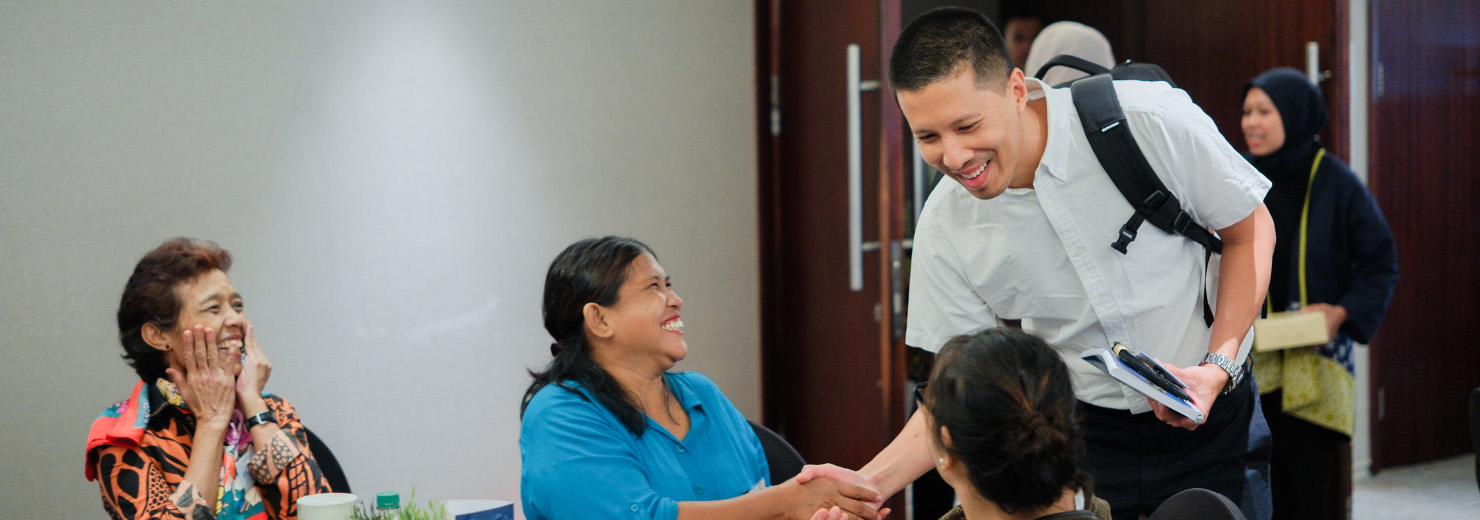
Khunapong Khunaraksa at the Responsible Sourcing Initiative Indonesia workshop
What impact(s) do you hope to see by the end of the project?
Khunapong: I hope this project creates lasting change that continues well beyond the current implementation period. To me, success means stronger trust, collaboration, and local systems that help businesses and informal waste sector workers work together more effectively. It also means that workers and their families feel more recognized, protected, and included, while businesses are better equipped to source responsibly and build more resilient, sustainable recycling value chains.
Note
- International Alliance of Waste Pickers. (n.d.). Ikatan Pemulung Indonesia (Indonesia Waste Pickers Union – IPI) [online]. Available from: https://globalrec.org/organization/ikatan-pemulung-indonesia-indonesia-waste-pickers-union-ipi/ [accessed: May 29, 2026]
- In Indonesia, the recycling value chain typically progresses from waste pickers and junk shops (Tier 4), to small aggregators (Tier 3), then large aggregators (Tier 2), before materials reach recyclers (Tier 1).