What it takes to make human rights due diligence work beyond tier 1
-

-
The Circulate Initiative
-
October 12, 2026
-
5 min read
The Circulate Initiative
October 12, 2026
5 min read
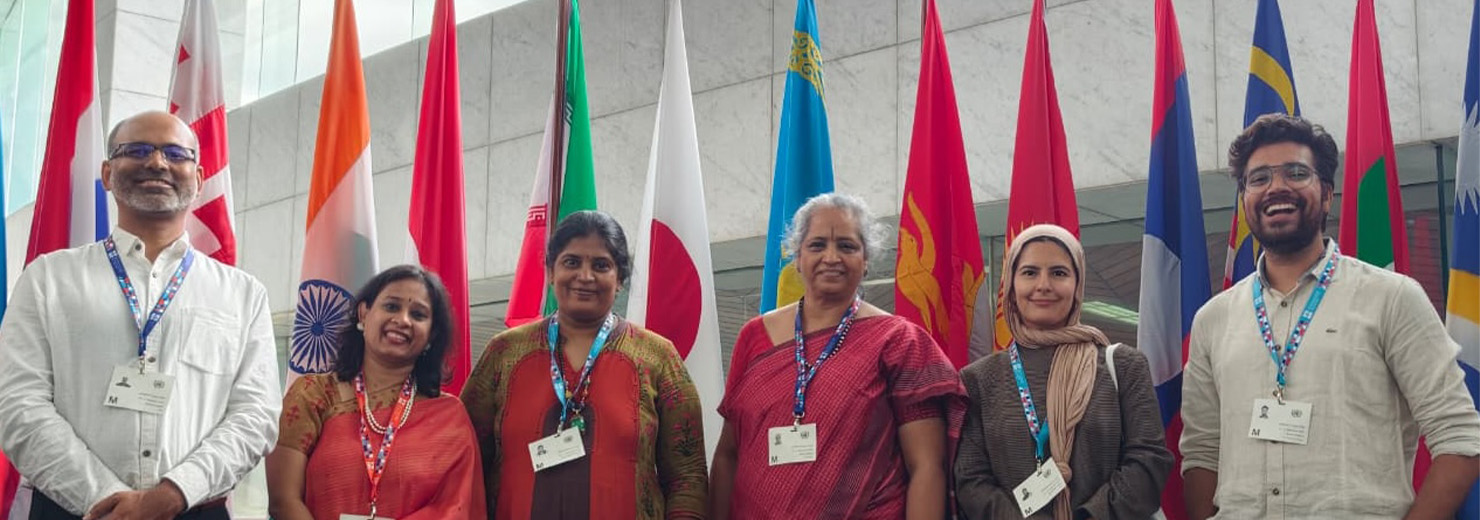
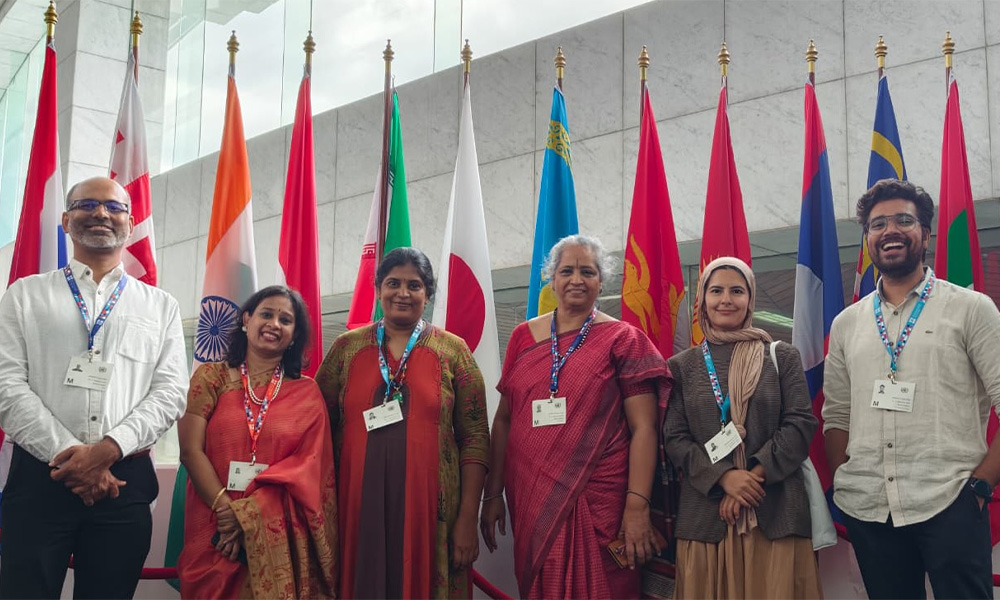
At the 8th UN Responsible Business and Human Rights Forum, Asia-Pacific, in Bangkok, The Circulate Initiative explored a practical question: how can businesses address human rights risks beyond their direct suppliers and across the full recycling supply chain? For businesses sourcing recycled material, direct suppliers are often recyclers. But before reaching a recycler, material passes through waste pickers, scrap shops, and aggregators. Understanding the working conditions and risks across these different parts of the chain is essential to making human rights due diligence work in practice.
Our spotlight session, “Beyond Tier 1: Making Human Rights Due Diligence Work in Informal Recycling Value Chains,” drew on the Responsible Sourcing Initiative’s implementation experience in India to explore this challenge from both a brand and a worker perspective.
The discussion brought together Juhi Gupta, Sustainability Director for South Asia Markets at Tetra Pak, and Nalini Shekar, Co-Founder and Director of Finance and Special Projects at Hasiru Dala. Arun Murugesh, Director of the Responsible Sourcing Initiative India at The Circulate Initiative, moderated the session.
Engage the stakeholders who can turn commitments into action
Arun opened by sharing some of the barriers to addressing human rights risks across recycling supply chains:
- Recyclers may lack the resources and capacity to engage their suppliers on human rights due diligence
- Larger aggregators can be reluctant to share commercially sensitive information
- Smaller scrap shops may see little incentive to participate
An audience poll reflected this combination of challenges. Asked to identify the biggest barrier to addressing human rights risks across recycling value chains, most participants selected “all of the above”: supply-chain complexity, limited resources and capacity, gaps in information sharing, and insufficient incentives.
The Responsible Sourcing Initiative was created to address the systemic challenges faced by workers in the informal sector, including health risks, lack of social protection, and inadequate pay. Launched in 2023, the global program engages with stakeholders across the recycling value chain to advance responsible sourcing practices that respect human rights and strengthen circularity. At the heart of the program is the Harmonized Responsible Sourcing Framework for Recycled Materials (Harmonized Framework), the first global effort to create a harmonized and actionable framework to implement responsible sourcing practices that address human rights issues in the recycled materials value chain.
Arun described how implementation of the Harmonized Framework begins with engagement across the value chain, followed by an assessment that includes the perspectives of all actors, including businesses, recyclers, large aggregators, small aggregators, workers employed at these facilities, and waste pickers. Findings then inform improvement plans, with local organizations and service providers helping address the causes of identified risks.
This approach was illustrated through an example of the Responsible Sourcing Initiative’s work in Bengaluru, where recycler Deluxe Recycling engaged a supplier to bring together businesses and workers further along its supply chain. Juhi explained that the supplier brought together 13 smaller businesses and 316 informal waste sector workers. Workers received health check-ups and support to enroll in social-protection schemes. Existing supplier relationships helped make this outreach possible.
Connect material traceability with worker safeguards
Juhi explained that Tetra Pak works directly with recyclers and aggregators to track material flows through a digital system supported by transaction records and geotagged images. Its partnership with The Circulate Initiative builds on this work by strengthening worker safeguards alongside material traceability. Juhi highlighted low incomes, limited social protection, and inadequate childcare as concerns that require attention. She described two important features of implementation: involving recyclers who can engage their supplier networks, and bringing worker organizations into advisory discussions so their input informs action plans.
Her wider message was that no actor can resolve these challenges alone. Brands pursuing similar goals have opportunities to share resources and coordinate their efforts, helping successful approaches reach more workers.
Build improvements based on an understanding of workers and the networks they rely on
Nalini explained why engagement must begin with an understanding of informal workers’ relationships. Waste pickers, scrap dealers, and aggregators are connected through community ties and sources of support as well as material transactions.
She offered a practical example: when a waste picker needs to take a child to hospital at midnight, a scrap dealer may be the person they turn to for help. Removing intermediaries without understanding these relationships can disrupt the existing support systems that workers depend on. Addressing exploitation therefore requires identifying and changing harmful practices within the chain while recognizing the functions its actors perform. Nalini emphasized the importance of organizing waste pickers so they can better challenge unfair treatment.
She also described how worker organizations helped shape the Harmonized Framework and continue to influence its implementation. Representatives of the Alliance of Indian Wastepickers participate in advisory committees for individual recycling projects, giving them a role in decisions about how the work progresses.
Summary
The session offered a practical lesson for businesses looking beyond Tier 1: use supplier relationships to reach further into the chain, partner with grassroots organizations that understand workers’ circumstances, and give worker representatives a continuing role in shaping improvements. The audience appreciated the richness of the conversation and the practical steps discussed for turning human rights commitments into changes workers can experience.
Note on supply-chain tiers: In the model discussed during the session, Tier 1 refers to recyclers supplying brands directly; Tier 2 to larger aggregators supplying those recyclers; and Tier 3 to smaller aggregators and scrap shops. Informal waste pickers form the base of this chain.